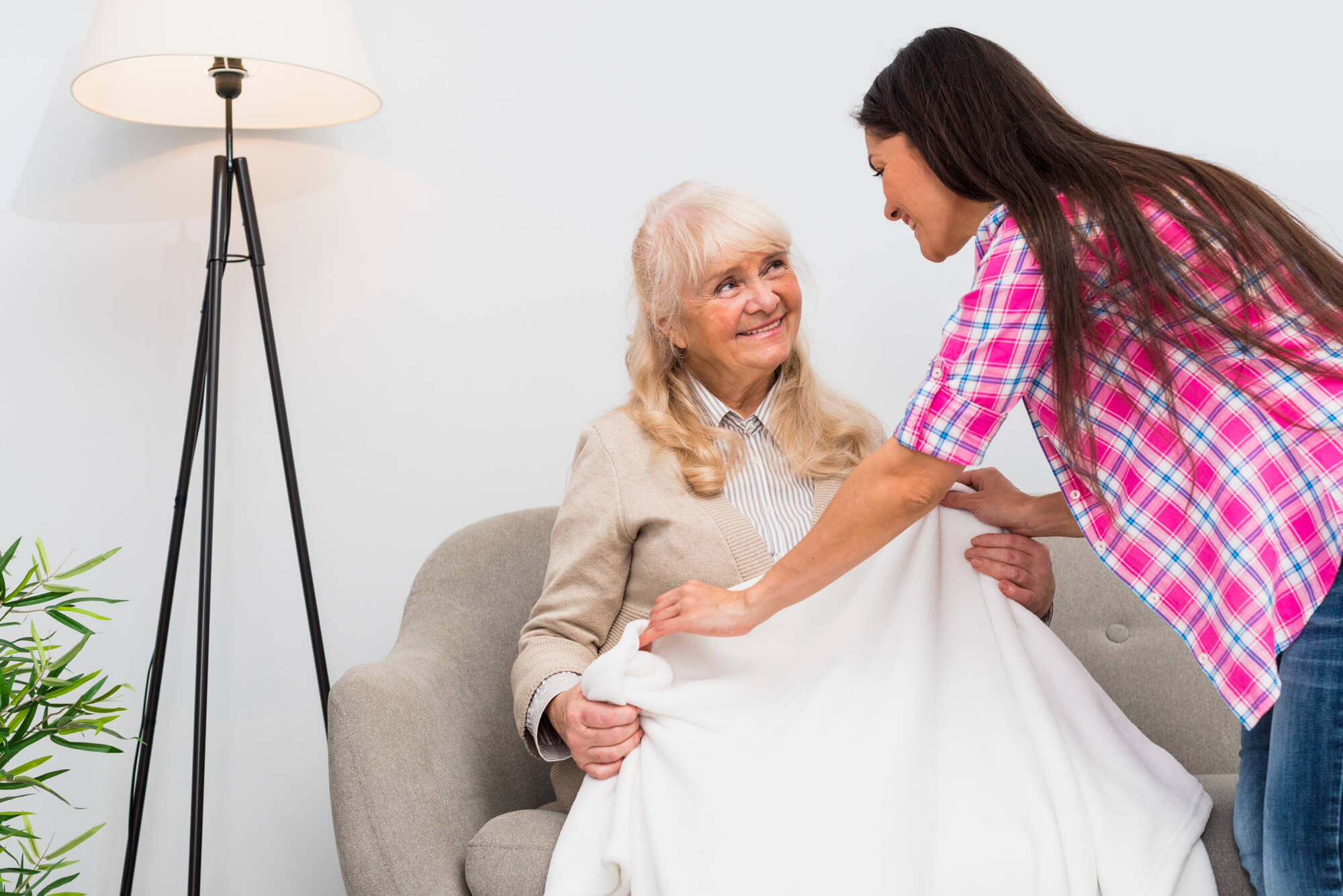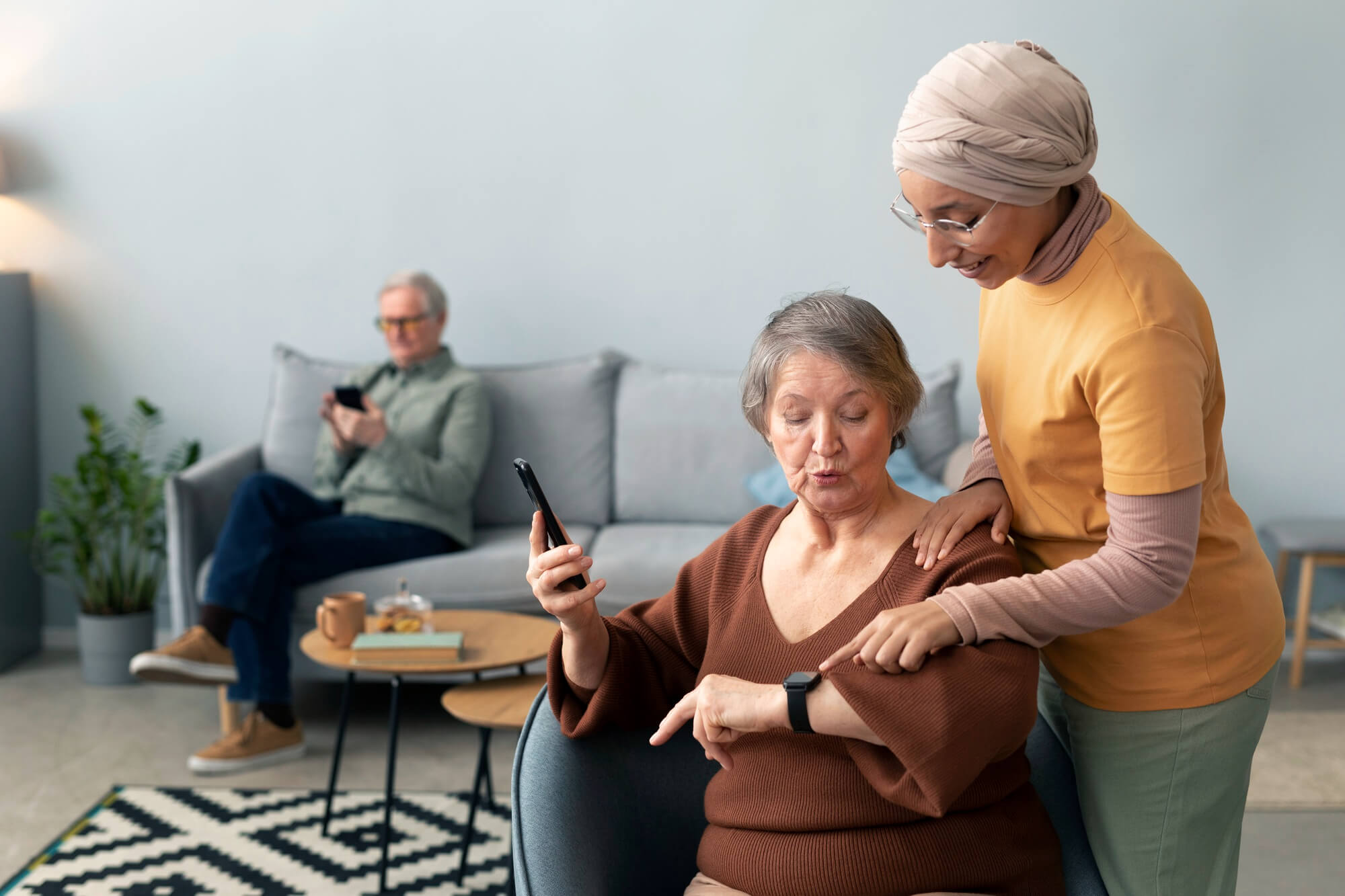

Compassion is the foundation of quality home care. When caregivers, families, and communities come together with understanding and kindness, the result is a positive environment where everyone feels supported. Compassion improves how care is delivered, strengthens trust, and transforms the caregiving experience into a meaningful partnership. Building a caring community begins with recognizing that caregiving is not just a service but a human connection that requires empathy and respect.
One of the main reasons compassion is so important in home care is the emotional vulnerability that many individuals experience. Seniors and individuals facing health challenges often feel uncertain, dependent, or anxious. Kindness and understanding can reduce these feelings and help them feel valued. When caregivers approach their work with patience, they create a sense of security that encourages individuals to communicate openly and trust the care process.
Caregiving Environment
A compassionate caregiving environment also benefits the families of those receiving care. Families often experience stress, guilt, or worry when they cannot provide full time support to their loved ones. A caring community reassures them that their loved one is in good hands. This emotional comfort allows families to maintain their own well being while staying connected and involved in the care journey.
Compassion in caregiving goes beyond completing tasks. It involves listening carefully, paying attention to small details, and showing genuine concern. For example, taking time to understand a person’s preferences, routines, and emotions can greatly improve their quality of life. Even small acts such as sitting with someone during a difficult moment or offering a warm smile can create a meaningful connection.
Communities also play a significant role in supporting caregiving efforts. Neighbors, friends, support groups, and local organizations can provide encouragement and assistance. When communities come together, they help reduce the isolation that many caregivers and families feel. Community support may include checking in on a neighbor, offering transportation, sharing helpful information, or simply being present during challenging times. These gestures create an environment where people know they are not alone.
Professional caregivers also bring compassion into their work by recognizing that each person has a unique story. Respecting cultural backgrounds, personal values, and individual needs helps create deeper bonds and more effective care plans. When caregivers treat individuals with dignity, they promote emotional well being and enhance the overall caregiving experience.
Training Programs
Training programs that focus on communication skills, emotional awareness, and empathy also contribute to building a compassionate care environment. These programs help caregivers understand how to respond to difficult situations with patience and kindness, improving outcomes for both caregivers and clients.
A caring community is built through teamwork, understanding, and shared responsibility. Compassion creates a space where people feel valued, respected, and supported. It brings warmth into home care and strengthens relationships between caregivers, families, and loved ones.
Compassion is more than a feeling. It is a powerful practice that improves lives, promotes healing, and brings people together. When kindness leads the way, home care becomes a source of comfort, connection, and lasting positive impact.